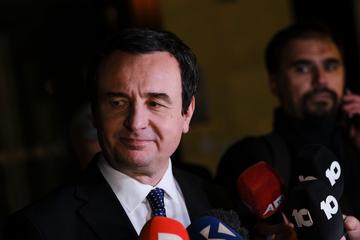
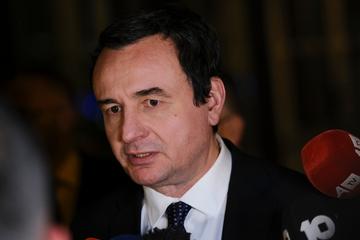
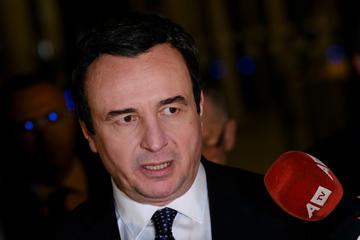
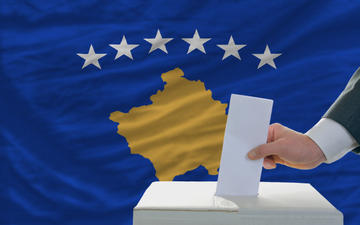
After months of political stalemate, Vetëvendosje leader Albin Kurti has failed to win the confidence of the Pristina parliament. The only way out is to call voters back to the polls
The Kosovo Specialist Chamber is expected to rule on the case of Hashim Thaçi and his three co-defendants in the spring or early summer of 2026: the sentence of this controversial trial could potentially have strong repercussions in Kosovo and beyond
The first round of the local elections in Kosovo shows no major winners, yet the results could influence the next national elections. The calling of early elections is now seen as a possible option
With national politics still at an impasse since last February's elections, Kosovo citizens will return to the polls for local elections on October 12, with significant implications also at the central level
The law in Kosovo allows incumbent politicians to run for new positions without resigning their seats: a situation that undermines the relationship of trust and transparency between political representatives and voters
Seven months after the elections, Kosovo does not have a parliament yet: the assembly finally elected a president, but then stalled over the choice of a Serbian vice president. A situation that remains divisive and uncertain
Surveys on support for the accession of new member states highlight the need to rethink the way the benefits of enlargement policy are discussed, both inside and outside the EU, so as not to miss yet another opportunity. An interview with Bojana Zorić, analyst at the EU Institute for Security Studies
With media outlets in Kosovo and the region increasingly concentrated in the hands of major business moguls, journalists say censorship to protect the owners’ interests has become ‘the norm’.
The new parliament of Kosovo, which emerged from the February 9 elections, will meet next week: despite their victory, Albin Kurti and Vetëvendosje will not have an easy time forming a new government
The Vetëvendosje movement won the elections on February 9, but this time it does not have the numbers to govern on its own. The alternatives are the creation of a difficult majority or new early elections
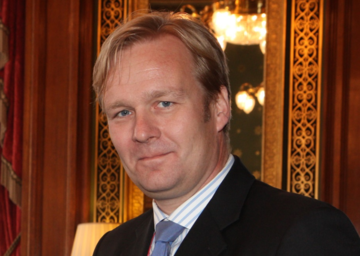
Danish diplomat Peter Sorensen is the new EU Special Representative for the Kosovo-Serbia dialogue. The appointment was welcomed in Pristina, but the outlook for the future of the negotiations remains murky
The parliamentary elections in Kosovo outline an uncertain scenario: Kurti won but without a large majority. A coalition government now appears inevitable, with repercussions on political stability and dialogue with Serbia
The complexity of regional economic cooperation in the Western Balkans, the unblocking of CEFTA, the impact of non-tariff barriers, the recognition of university degrees and the role of stakeholders in promoting sustainable trade practices – we discussed all of this with Sokol Zeneli, Director of Programmes at Re-ACT Lab
More than a year ago, the Israeli invasion of Gaza began. In the countries of the former Yugoslavia, governments and civil society have reacted differently. If governments – with the exception of Slovenia – have all but sided with Israel, civil society organisations have organised protests and demonstrations in favour of Palestine
Twenty-five years have passed since the end of the armed conflict in Kosovo: an entire generation, born during the 1999 war, is approaching adulthood with a heavy legacy, but also strong hopes for the future. Will it be a generation of peace?
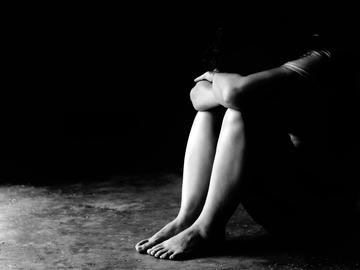
In Kosovo, thousands of people suffered sexual violence during the war: today institutions recognise them as civilian victims of the conflict, but for many talking about the trauma they suffered remains an insurmountable obstacle
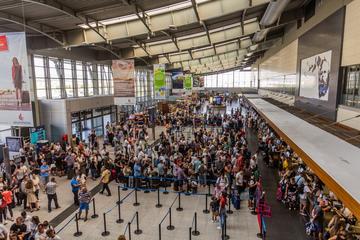
Last in the Western Balkans, from the beginning of 2024 Kosovar citizens can travel without a visa in the Schengen area. A long-awaited opportunity already used by thousands of people, and viewed with extreme interest by Kosovar business
Kosovo is growing fast in the field of innovation, but the strong potential of the sector is currently not being used as much as it deserves. We talked about it with Uranik Begu, director of the Innovation Center Kosovo
The governments of Skopje and Prishtina are pushing for a new road connection between the cities of Tetovo and Prizren through the new Šar Planina park. Economic necessity or danger for the ecological balance of the area?
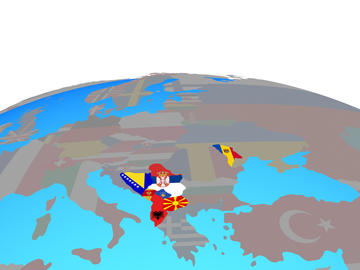
Concern is growing in the Western Balkans about the evolution of the war in Ukraine. Geopolitical and economic issues make the region one of the areas particularly sensitive to possible serious repercussions linked to the ongoing conflict
Food is culture, memory but also chemistry, anthropology, mathematics. And kitchens can – and should – be the focus of the educational project of preschools. We interviewed Paola Cavazzoni, managing director of Pause Atelier dei Sapori, after her experience in Kosovo
In recent years, the role of women in Kosovar politics has become more visible and important, as demonstrated by the election of Vjosa Osmani as president. The local elections, however, marked an uncertain step on the road to equal opportunities
Reusing recycled materials in early childhood education: the Creative Recycling Center of Reggio Emilia has recently proposed some workshops to educators from Kosovo. We talked about it with organisational coordinator Laura Pedroni
The path of transitional justice has proven difficult and discontinuous, yet it has had a real impact on the lives of ordinary citizens. Survivors’ families and associations, who invested the most emotional labour in the process, however, have often felt left out of the official transitional justice processes
Kosovo once again goes to early elections, confirming profound political instability that risks having negative repercussions, especially during the pandemic. Early polls give Vetëvendosje a large advantage
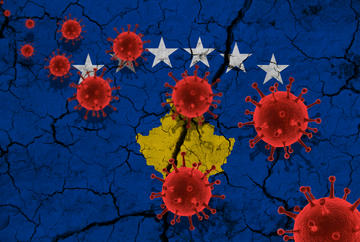
Doubts, controversies, delays. Vaccination campaigns against Covid-19 in the Western Balkans have only started in Serbia and Albania, while the other countries in the area risk dangerous delays, despite some support initiatives promoted by the European Union
Not all municipalities in Kosovo have their own infant-toddler centre, and the public resources invested in the sector are minimal. Yet, at the Faculty of Education in Prishtina, efforts are being made to train teachers who put the needs of children first. An interview